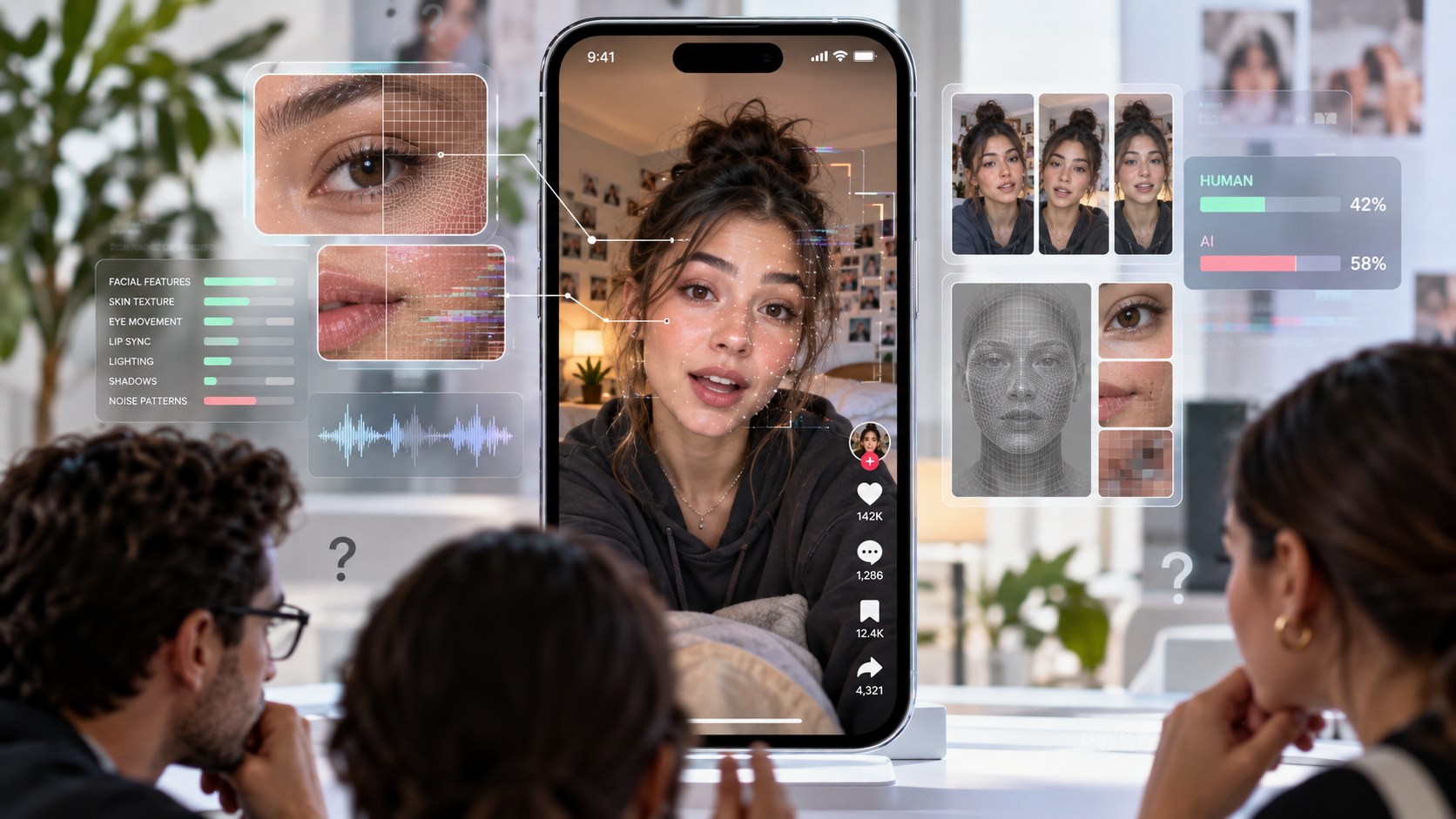
Research / Analysis
Sometimes. But recent studies suggest viewers are only modestly better than chance in some settings, much better in others, and often become more suspicious of real footage at the same time.
Oct 10, 2026 · 9 MIN
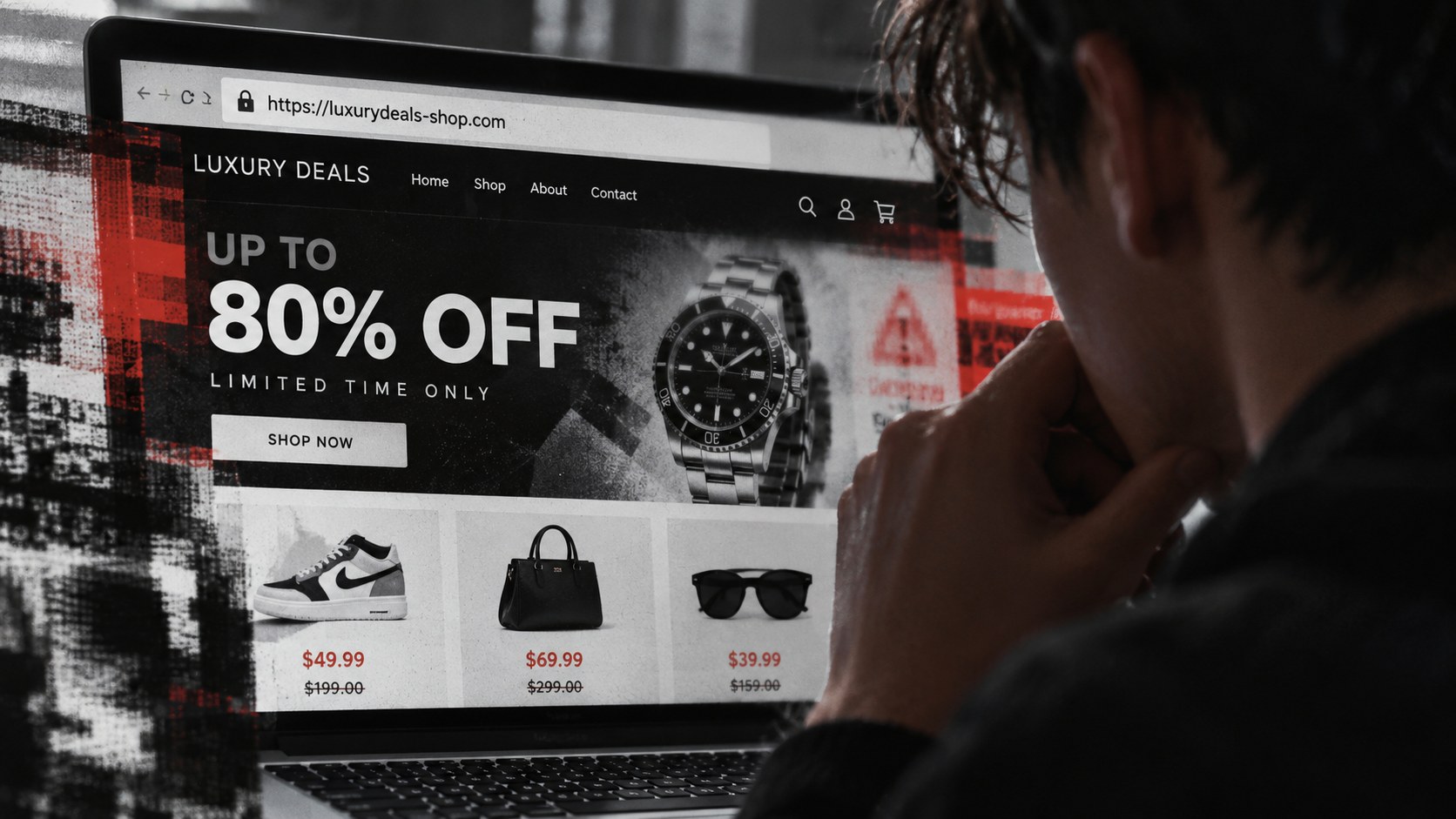
Research / Analysis
Bad design can make a scam easier to notice. Good design does not make a website safe — and controlled phishing studies show how unreliable appearance-based judgments can be.
Oct 10, 2026 · 7 MIN
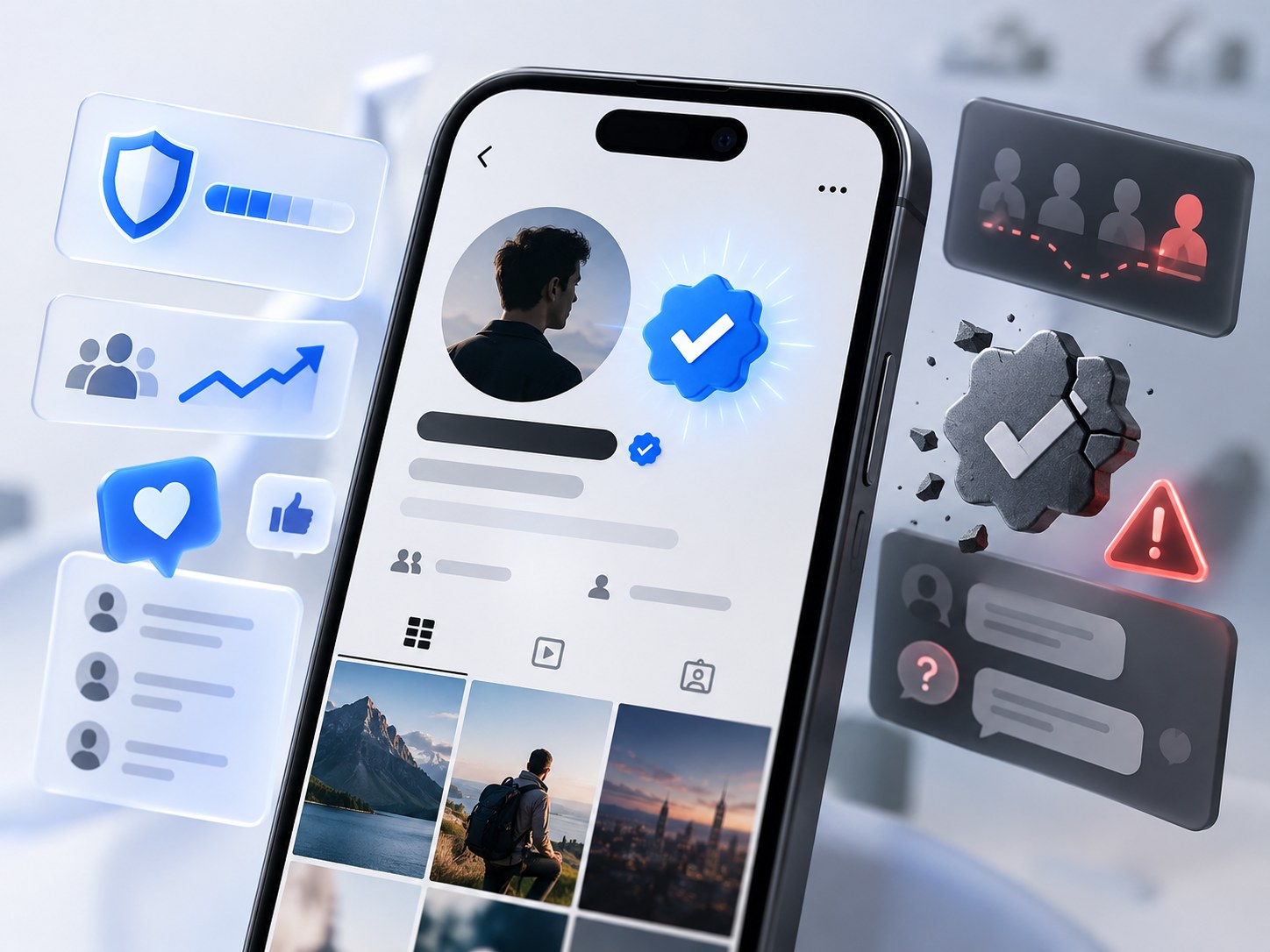
Research / Analysis
The blue check still changes how an account looks. But in 2026, the symbol no longer means the same thing from one platform to the next — and the research does not show a universal credibility boost.
Oct 10, 2026 · 10 MIN
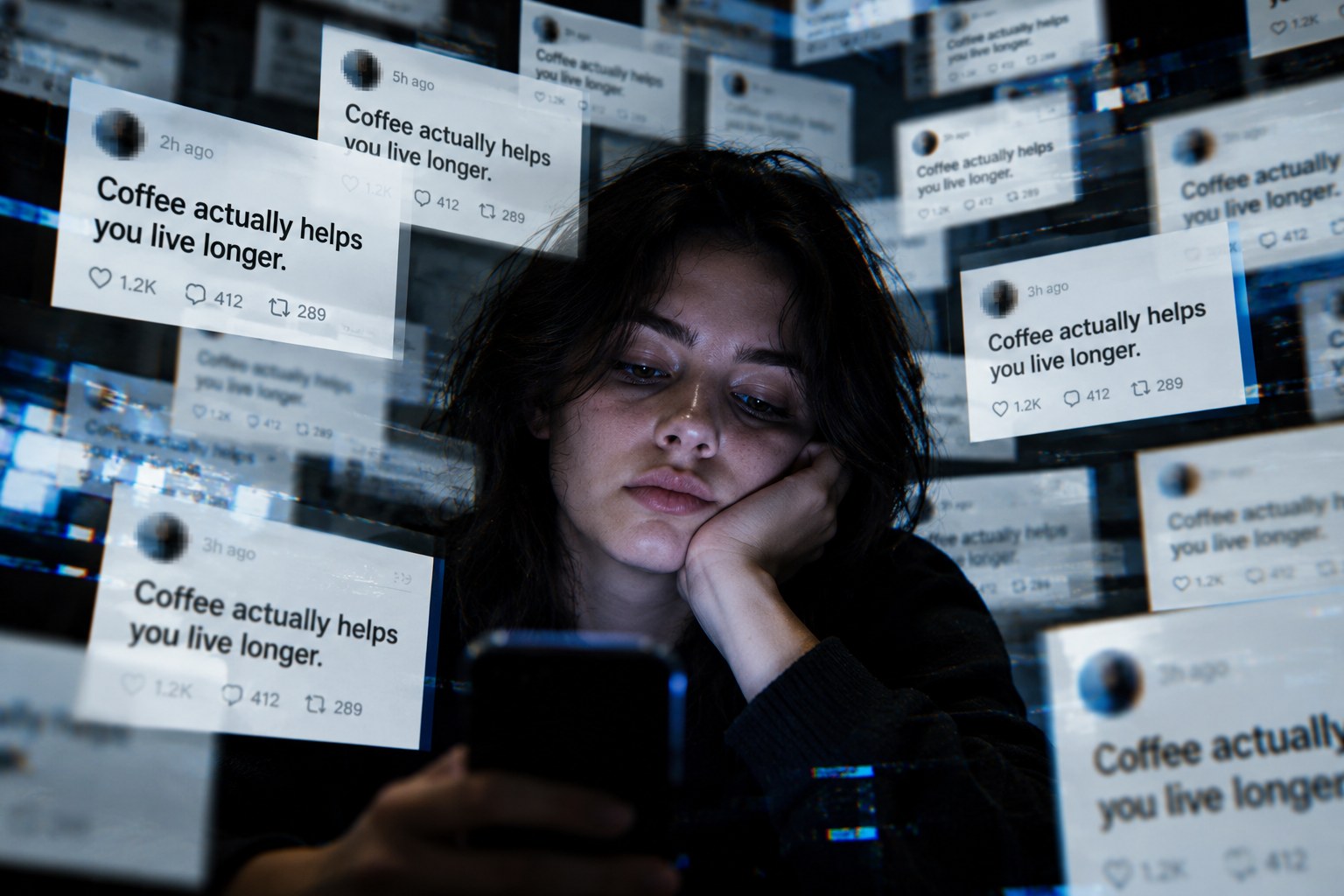
Research / Analysis
Yes. Repetition can make a claim feel more true even when the claim is false — but the effect is modest, context-dependent and strongest before careful evaluation kicks in.
Oct 10, 2026 · 9 MIN
Research / Analysis
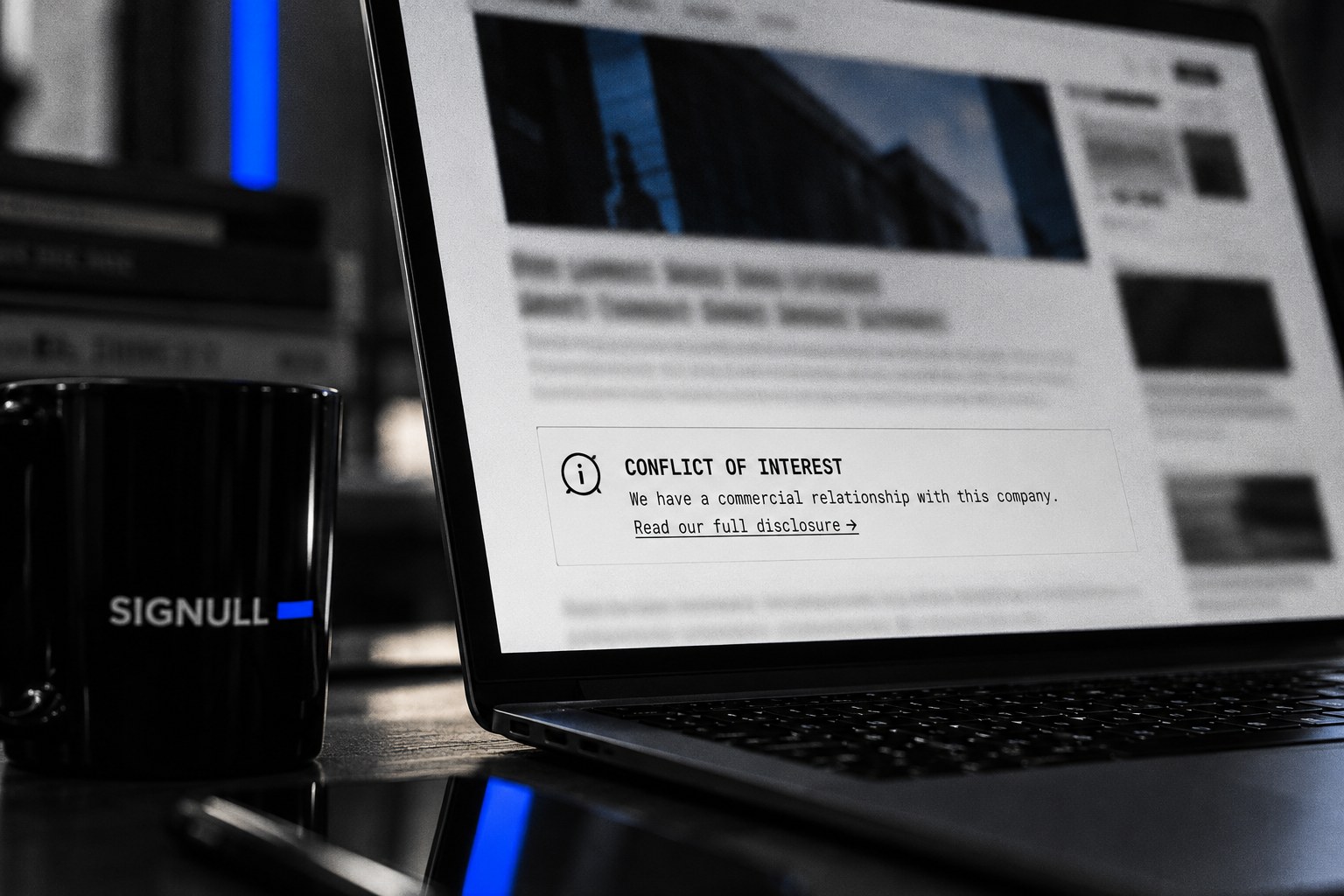
A disclosure that technically exists but arrives after the reader has formed a judgment is doing very little. Visibility is a design problem, not a checkbox.
Oct 10, 2026 · 10 MIN

Research / Analysis
Yes. Visual polish can raise initial trust in an unfamiliar website before a visitor has checked who runs the business, whether its claims are true or what happens if something goes wrong.
Oct 10, 2026 · 10 MIN
Research / Research protocol
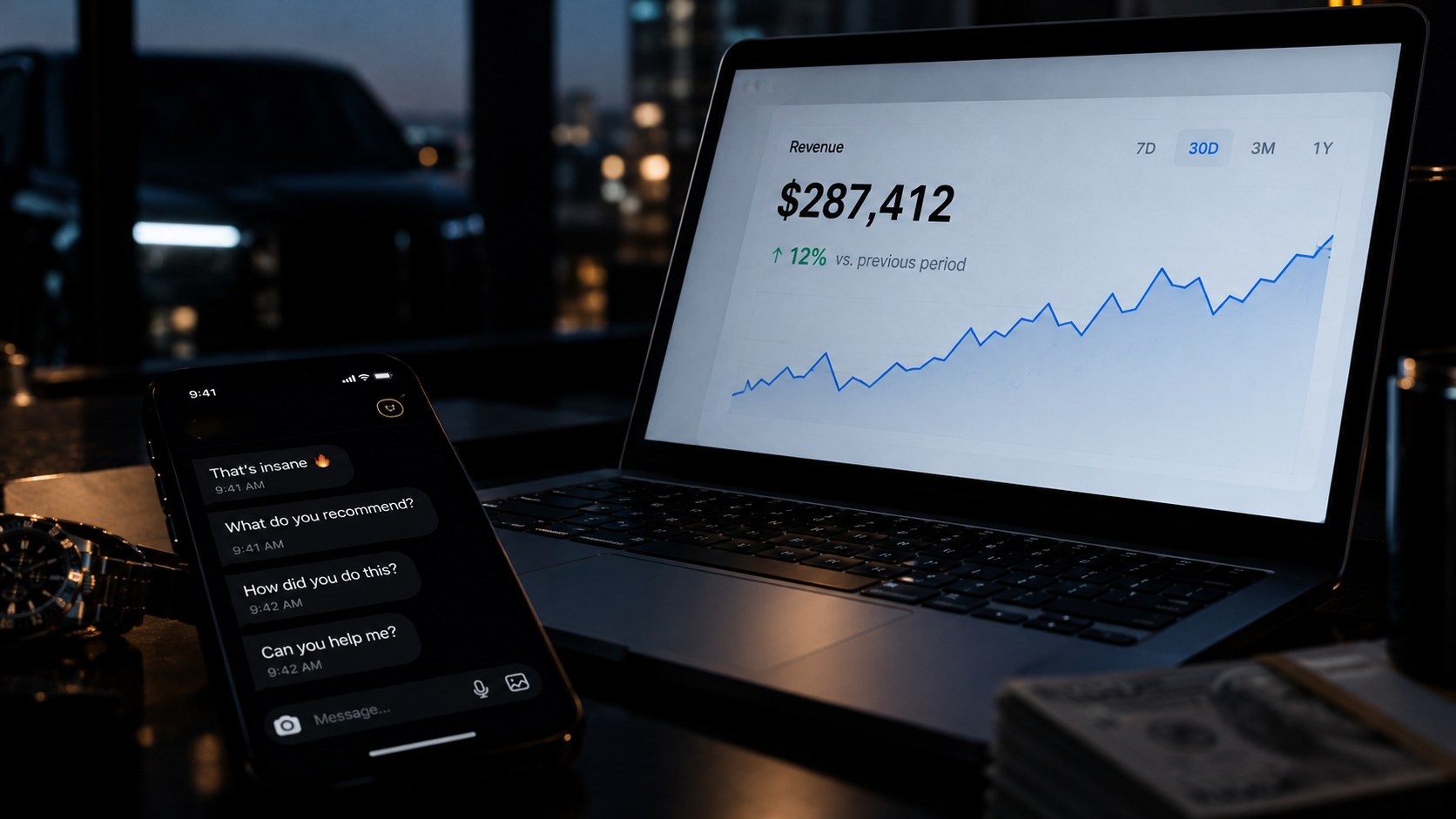
A proposed experiment to test whether a visible revenue number changes how trustworthy, expert and persuasive otherwise identical business advice feels.
Oct 09, 2026 · 11 MIN
Research / Analysis
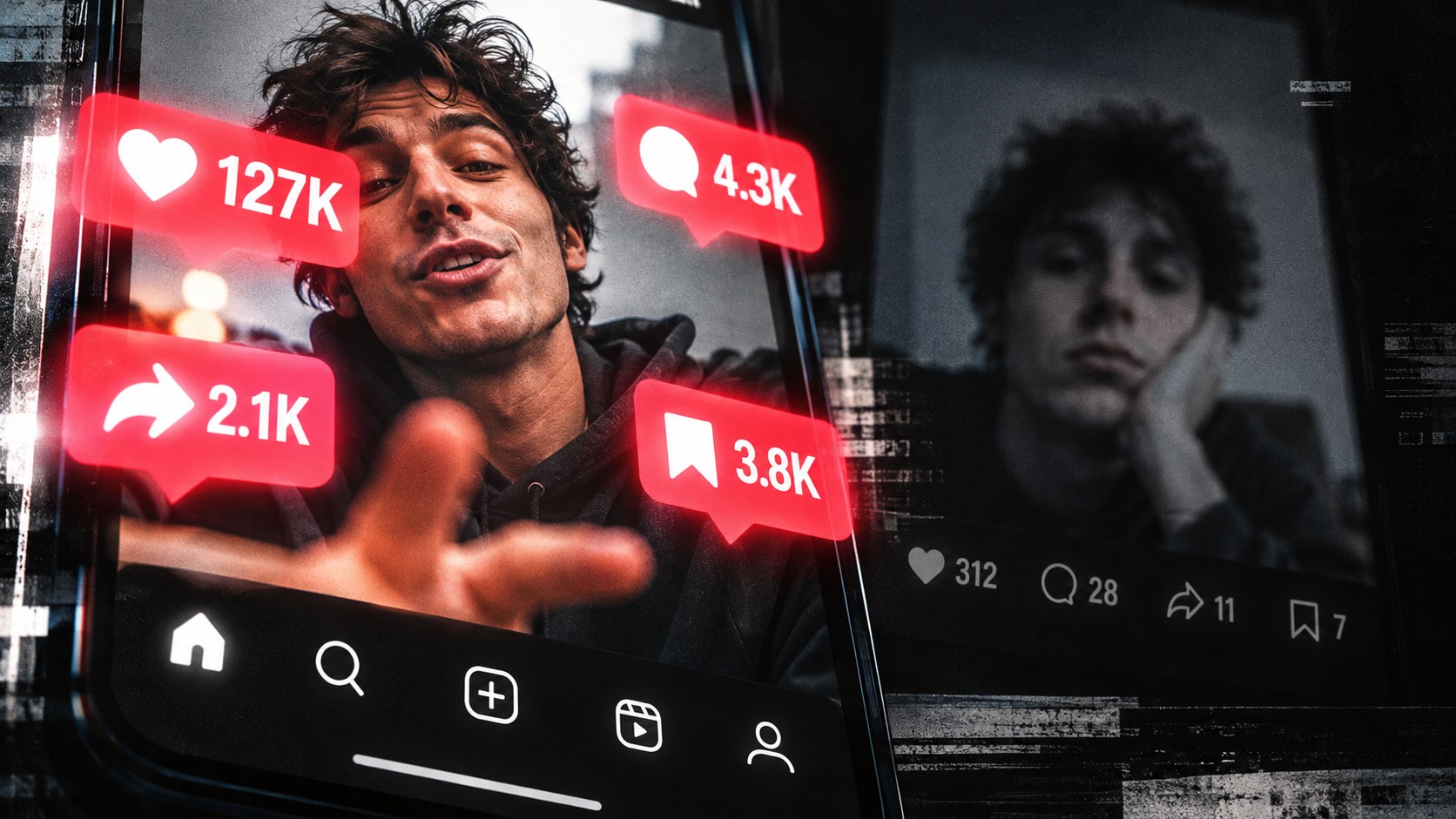
The crowd does not need to turn bad work into good work. It only needs to tilt the uncertain middle.
Oct 09, 2026 · 9 MIN

Research / Analysis
The internet blames discipline. Research points to a messier mix: weak intent, time pressure, course design, lost momentum and too little structure.
Oct 09, 2026 · 10 MIN
